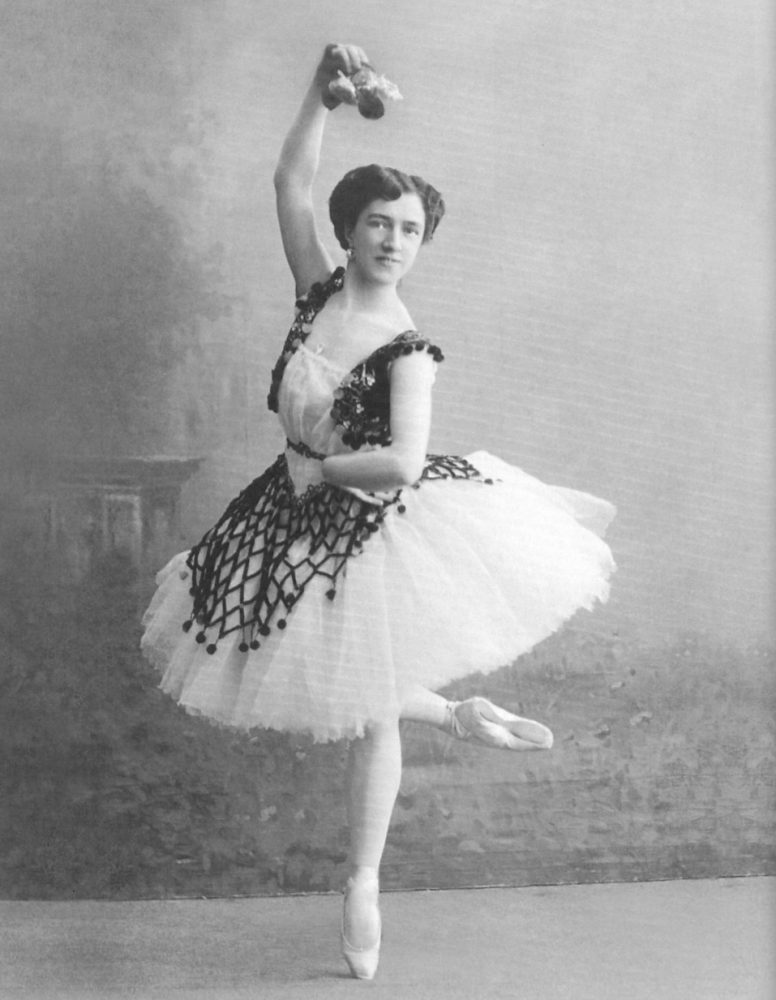
by Karen Krenz, Women for Racial and Economic Equality
Ballet had already dawned in Russia long before the start of the 17th century.
The first ballet was performed in Russia around 1673. The Czarist control and isolationism in Russia allowed for little influence from the West. With the rise of Peter the Great, Russian Society opened up to the West.
St. Petersburg was erected to embrace the West and compete against Moscow’s isolationism. Peter the Great created a new Russia which rivaled the society of the West with magnificent courts and palaces. His vision was to challenge the west.
Classical ballet entered the realm of Russia not as entertainment, but as a “standard of physical comportment to be emulated and internalized – an idealized way of behaving.”The aim was not to entertain the masses of Russians, but to cultivate new Russian people .

In 1738, Jean-Baptiste became ballet master and head of the new ballet school, launching the advanced study of ballet in Russia. France provided many ballet masters over the centuries.
The most prestigious of the ballet troupes were those attached to the state-supported theatres. The directors of these companies were personally appointed by the Czar, and all the dancers were, in a sense, Imperial servants.
A ballet dancer in Russia is a full-fledged profession, requiring great involvement in the work process. This work is well-paid, even for artists of the Corps de ballet (the group of dancers who are not soloists), not to mention soloists. Nevertheless, since the period of a ballet dancer’s career is not very long (the age of retirement is about 35 years), many professionals get additional education in order to dedicate themselves to something else moving away from work in the theater. Other artists remain in the ballet domain as teachers and educate the younger generation.
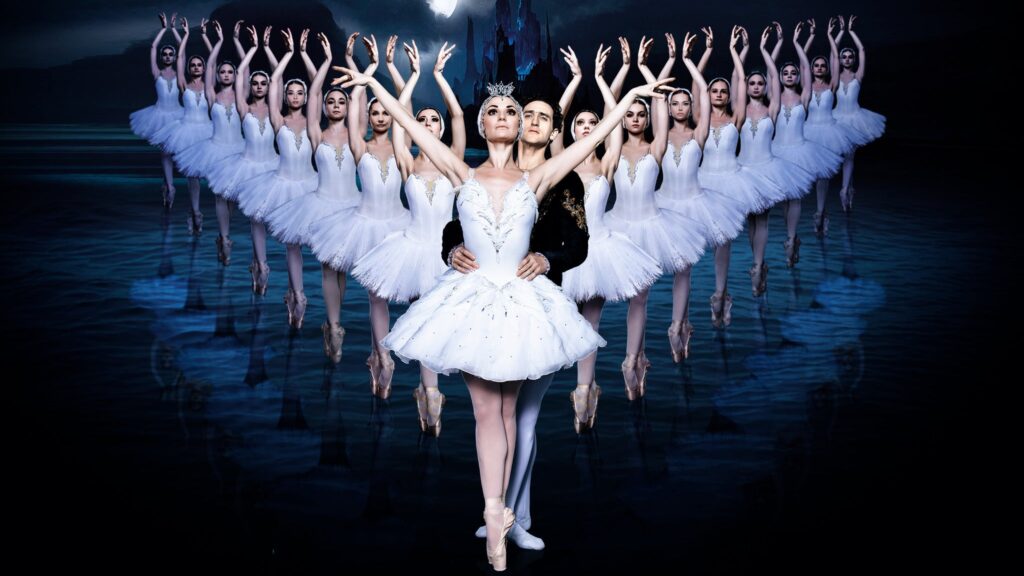
Agrippina Yakovlevna Vaganova (1879 – 1951) was a ballet dancer, choreographer and teacher. She is most remembered for her method of teaching ballet, which became the starting point for the formation of the style of the Russian classical dance and the creation of the so-called “Vaganova system”.
One of the main ballet educational institutions in Russia – Academy of Russian Ballet – is named after her – the woman who made Russian ballet as it is known today.
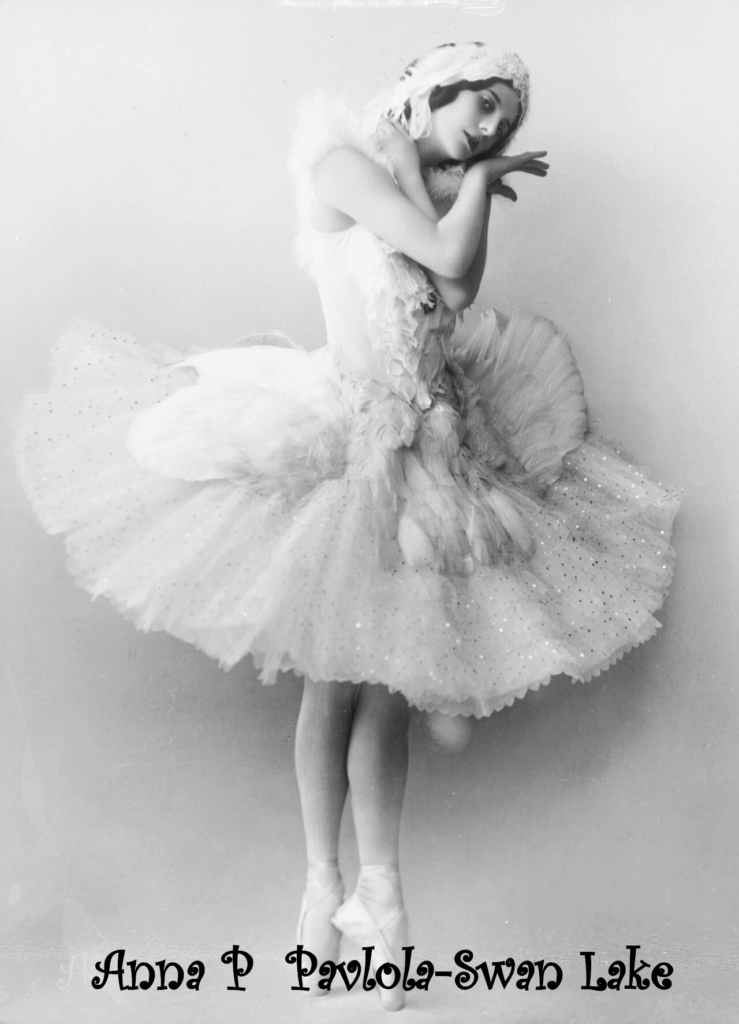
Agrippina used the experience of the best performers, systematized knowledge, proposed and justified a structured system of teaching classical dance, which today is considered fundamental.
In addition, she proposed a system of positioning the hands, head and body in the dance in such a way that it not only significantly improved the quality of performance, but also added a unique character to the Russian ballet. The harmonious movement of the hands in the dance, emphasized by a specific turn of the head, creates the so-called “mannerism”, which has become a hallmark of Russian ballet. This made Russian classical dance especially sensual and hid from the uninitiated viewer the complexity of this art form that requires incredible physical strength and long training.
The influence of Russian ballet extends far beyond its national borders, significantly shaping global dance culture. With the establishment of prestigious ballet companies such as the Ballets Russes in the early 20th century, Russian ballet introduced innovative choreography and performance techniques to international audiences. This influence was particularly notable in Paris, where the Ballets Russes captivated the public and inspired a new generation of dancers and choreographers.Russian ballet’s emphasis on technical precision, expressive movement, and dramatic storytelling has become a cornerstone of classical ballet training worldwide.